Wondering what daily life in Waxhaw actually feels like once you move past the listing photos? If you are considering a move here, you probably want more than square footage and price points. You want to know how the town functions day to day, what kinds of homes you will find, and whether the overall rhythm fits your lifestyle. Let’s take a closer look.
What Waxhaw feels like day to day
Waxhaw has a distinct identity shaped by its historic downtown and its ongoing growth. The town describes downtown as its cultural and economic center, with free public parking, a mix of restaurants, boutiques, and gift shops, and more than 100 small businesses. That gives the area a local, active feel without losing its small-town character.
Location also plays a big role in how Waxhaw lives. The town sits about 20 minutes from south Charlotte and roughly 3 miles from the South Carolina line. For you, that can mean a lifestyle that feels connected to the larger Charlotte area while still offering a more grounded, local setting.
Town planning also points to a clear goal. Waxhaw’s growth materials emphasize preserving character while improving walkability, street connectivity, and housing diversity. In practical terms, that means the town is not trying to become one thing only. It is trying to balance growth with the qualities that make it recognizable.
Downtown Waxhaw shapes everyday routines
If you picture yourself grabbing coffee, browsing local shops, or attending a community event without making it a full-day outing, downtown Waxhaw may stand out to you. The historic core is more than a backdrop. It functions as a regular part of town life.
The downtown area supports both errands and leisure. With its concentration of small businesses, restaurants, boutiques, and gift shops, it gives residents a place to spend time close to home. Free public parking also makes short visits simpler, which matters when you are fitting stops into a normal week.
Downtown also serves as an event hub. The town highlights annual events such as the Kaleidoscope Festival, Jammin’ by the Tracks, the Fourth of July Parade, Autumn Treasures, Fright Night, Downtown Holiday Lighting, and the Christmas Parade. That creates a calendar of built-in activity throughout the year.
For some buyers, this means Waxhaw feels more interactive than a town where everything happens behind subdivision entrances. If you enjoy being near local events and small-business activity, the downtown core can shape your routine in a meaningful way.
Parks and trails support active living
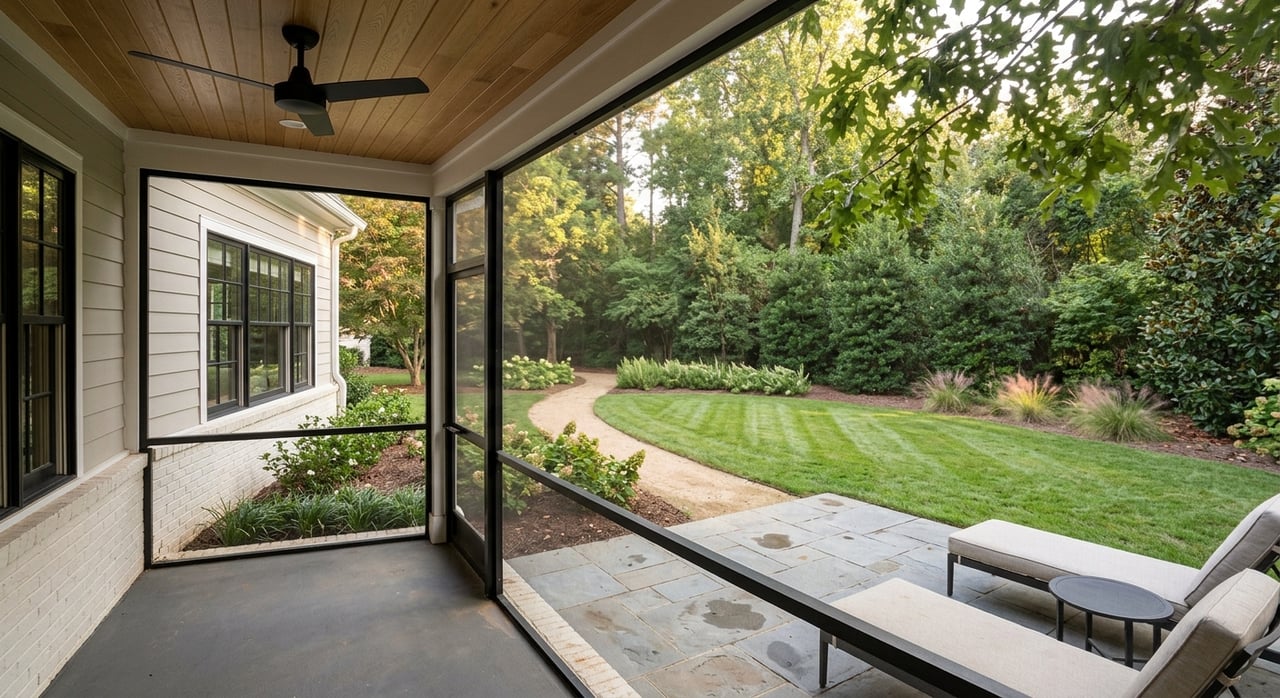
Waxhaw’s park system adds another layer to daily life. The town lists a children’s park, skateboard park, contemplative garden, sports park, community park, a community corner for events, and a growing greenway system. That variety gives you multiple ways to spend time outdoors depending on your routine and interests.
Downtown Park is one of the clearest examples of how recreation shows up in everyday living. According to the town, it includes greenways, picnic pods, outdoor fitness equipment, nature-themed playgrounds, a pump track, and an amphitheatre. The park also hosts programming such as movie nights and summer concerts.
If trail access matters to you, Waxhaw has that too. The town says its greenways and trails connect parks, nature reserves, cultural features, and historic sites. Waxhaw is also home to the Carolina Thread Trail’s Cross-State Suspension Bridge, and Town Creek Park includes the paved section of the Twelve Mile Creek Greenway.
The Waxhaw Recreation Barn adds another option. The town describes it as a recreation space with turf fields and program space, giving residents a mix of indoor and outdoor use. Taken together, these amenities suggest a town where park visits, trail time, and community events can be part of an ordinary week.
Waxhaw offers more than one lifestyle pattern
One of the most useful things to understand about Waxhaw is that there is no single version of living here. The town’s layout, housing types, and amenity mix create different rhythms depending on where you are. That can be helpful if you want options rather than a one-size-fits-all setting.
In and around the historic core, your routine may feel more walkable and event-centered. In lower-density areas, life may feel quieter and more lot-focused, with more driving built into the day. In newer mixed-use or attached-home settings, you may find a somewhat denser neighborhood form and a different balance between home, convenience, and community space.
This rural-suburban blend is one of Waxhaw’s defining traits. You can see it in the combination of historic homes, suburban neighborhoods, open space priorities, and new development patterns. For buyers, that means it is especially important to think about the kind of daily routine you want, not just the house itself.
Home types in Waxhaw vary by area
Waxhaw’s housing story is layered. The town’s 2040 plan and growth strategy point to housing diversity, neighborhood planning, and open space as important parts of future growth. A 2024 code update also added Conservation Design Development, which requires 50 percent of land in new developments to remain undisturbed.
That update also introduced a low-density R-2 district, particularly in the southern parts of town. Even beyond that, the broader zoning framework shows that Waxhaw includes different neighborhood forms rather than one standard product. This can affect everything from lot size to streetscape to how much open space you see around you.
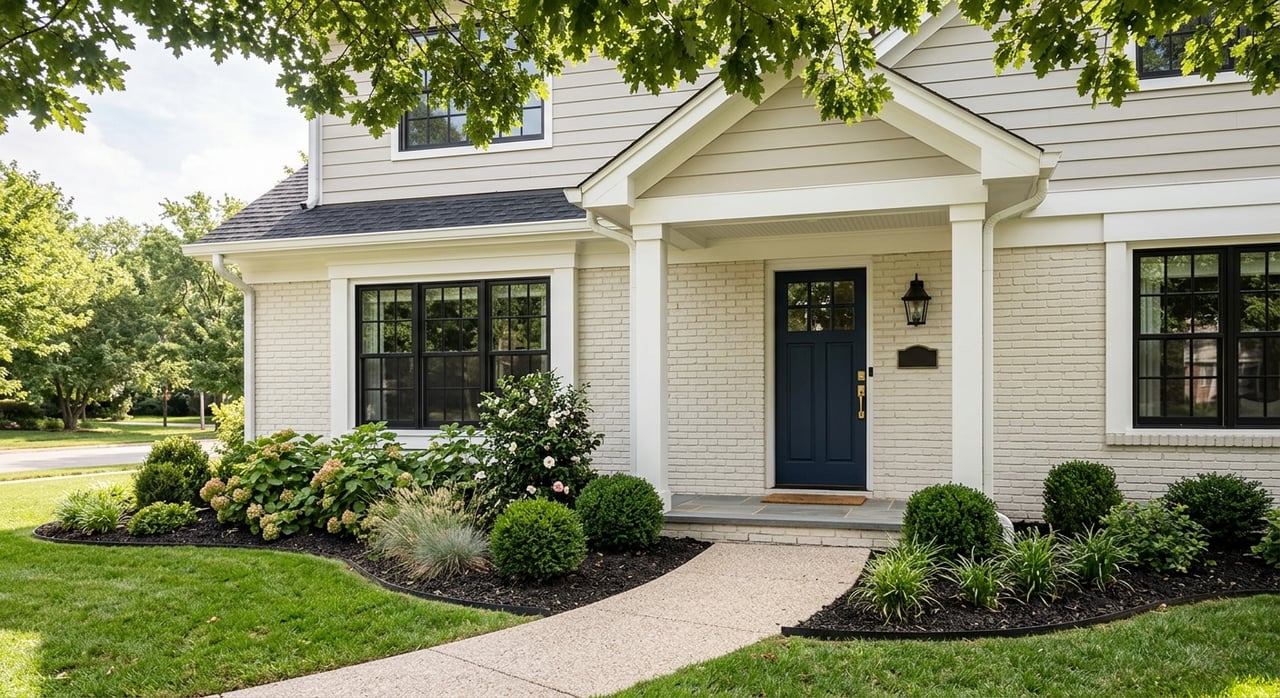
If you are home shopping here, it helps to think in categories. Some areas lean more rural or estate-like. Others feel more traditionally suburban. Some parts of town allow more compact home types, which can offer a different maintenance level or neighborhood layout.
R-1 areas feel more rural
In Waxhaw’s R-1 district, single-family detached homes are allowed at one unit per acre. The minimum lot width is 100 feet and the minimum depth is 200 feet. Horse barns are listed among the primary uses, which helps explain why this district can read as more rural than a typical suburban setting.
For you, that may translate into larger lots, more separation between homes, and a quieter overall environment. Buyers who value space and a less compact neighborhood pattern may find this type of area appealing. It is a different experience from living in a newer, tighter subdivision.
R-3 areas reflect traditional suburban housing
The R-3 district allows single-family detached homes at three units per acre. The town says this district is intended to provide traditional suburban housing while encouraging clustering to preserve trees, open space, and other natural features. Minimum lot width is 80 feet, and minimum depth is 140 feet.
This is a useful middle ground to understand. You may still get a neighborhood feel with detached homes, but the pattern is more compact than R-1. At the same time, the town’s stated goal of preserving natural features adds context to how these neighborhoods may be planned.
R-4 areas allow more housing variety
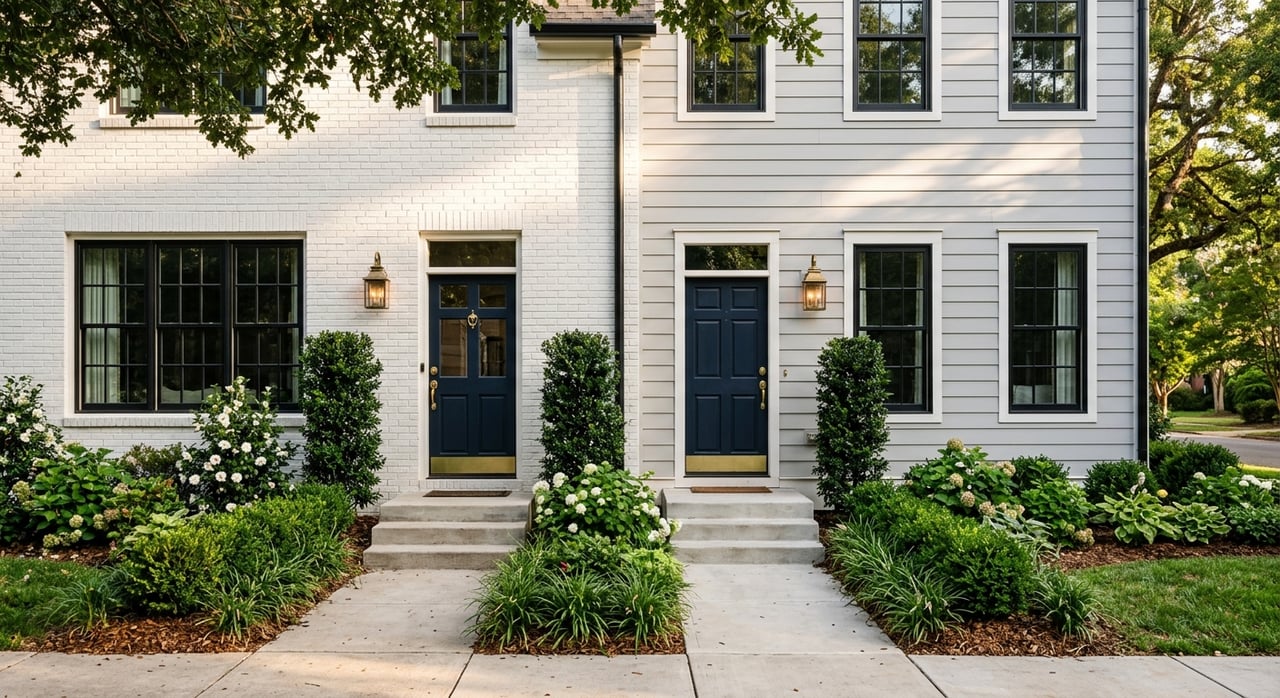
Waxhaw’s R-4 district allows single-family detached, attached, duplex, and cottage homes, with a maximum density of four units per acre. The minimum lot width is 60 feet and the minimum depth is 105 feet. That makes it one of the clearest code-based examples of a more compact neighborhood form in town.
If you are looking for alternatives to a large-lot detached home, this matters. A more compact form can mean different maintenance expectations, a different streetscape, and more variety in the kinds of homes available. For some buyers, that opens up more practical options within Waxhaw.
Historic and newer housing both exist
Waxhaw is not only newer subdivisions. The town’s historic district includes several blocks of historic residential homes, which adds another layer to the housing mix. If character and proximity to downtown appeal to you, these older residential areas may feel very different from newer development further out.
At the same time, new projects show where additional variety is heading. Emerson Park, for example, is an approved mixed-use development with 132,600 square feet of retail and office space plus 850 units of apartments, townhomes, and single-family detached homes. That kind of project signals that Waxhaw’s future includes a broader mix of home types and land uses.
For buyers and sellers, this mix matters because it affects how different parts of town compete and evolve. A historic home near downtown, a detached house in a traditional subdivision, and an attached home in a mixed-use setting may all offer very different living experiences. Understanding those differences can help you make a smarter decision.
How to choose the right Waxhaw fit
When you think about Waxhaw, it helps to focus on lifestyle first. Ask yourself how you want your normal week to feel. Do you want to be closer to downtown activity, trails and parks, or a lower-density setting with more space around your home?
You should also consider how much variety you want nearby. Some buyers are drawn to the town’s event calendar and small-business core. Others prioritize lot size, a quieter setting, or a neighborhood pattern that feels more traditional or more compact.
A simple way to compare options is to think in terms of your daily routine:
- Downtown-oriented living: More access to local businesses, events, and a walkable historic core
- Park-and-trail living: Strong connection to greenways, recreation spaces, and outdoor amenities
- Larger-lot living: More space, lower density, and a quieter rural-suburban feel
- Mixed-use or compact living: More housing variety and a different balance between home and nearby uses
If you are selling in Waxhaw, this same framework can help position your home. Buyers are often not just choosing a property. They are choosing a version of daily life.
Waxhaw stands out because it offers several versions of that daily life within one town. If you want help sorting through neighborhoods, home styles, or how to position your property in today’s market, Lochmoor Realty offers personalized buyer and seller guidance across Waxhaw and the greater Charlotte area.
FAQs
What kinds of amenities does Waxhaw offer for daily living?
- Waxhaw offers a historic downtown with more than 100 small businesses, free public parking, restaurants, boutiques, and gift shops, along with parks, greenways, trails, event spaces, and recreation facilities.
What outdoor amenities are available in Waxhaw, NC?
- The town lists a children’s park, skateboard park, contemplative garden, sports park, community park, event space, a growing greenway system, Downtown Park amenities, Town Creek Park access, and the Waxhaw Recreation Barn.
What types of homes can you find in Waxhaw?
- Waxhaw includes historic residential homes, single-family detached homes on larger lots, traditional suburban neighborhoods, and areas that allow attached homes, duplexes, cottage homes, apartments, and townhomes.
How does downtown Waxhaw affect the local lifestyle?
- Downtown Waxhaw functions as a cultural and economic center with small businesses, shopping, dining, events, and public spaces that can make everyday routines feel more local and activity-centered.
Is Waxhaw more rural or suburban?
- Waxhaw is best understood as a rural-suburban blend, with some areas feeling more historic and walkable, some more traditionally suburban, and others lower-density and more lot-focused.
What should buyers consider when choosing a home in Waxhaw?
- Buyers should compare how close they want to be to downtown, parks and trails, or lower-density areas, and think about the type of home, lot pattern, and daily routine that best fits their needs.