If you have ever driven Queens Road West and wondered why Myers Park feels both timeless and fresh, you are not alone. The neighborhood blends stately brick homes with cozy bungalows and crisp new builds in a way that feels intentional. If you are thinking about buying, selling, or simply learning the architecture, a little style vocabulary goes a long way. In this guide, you will learn how to spot key home types, what current prices look like, and how preservation and infill work here. Let’s dive in.
Myers Park at a glance
Myers Park began in 1911 as Charlotte’s premier streetcar suburb. Urban planner John Nolen prepared the plan, and landscape architect Earle Sumner Draper carried out field work and planting. Curving streets, park-like medians, and a strong tree canopy still shape the experience today. You can trace that story on the neighborhood driving tour from Historic Charlotte, which highlights how the early plan set the tone for residential life here. Explore the Historic Charlotte driving tour.
The Myers Park Historic District was listed on the National Register of Historic Places in 1987, recognizing its architectural and planning significance. The nomination singles out Colonial Revival, Bungalow or American Craftsman, and Tudor Revival as common home types. You can find the listing through the North Carolina Historic Preservation Office to see the broader context and style descriptions. See the NC Historic Preservation Office listing.
A quick preservation note helps if you plan to remodel. National Register listing is honorary for federal purposes. Local landmark status or a locally designated historic district is what can trigger design review through Mecklenburg County’s Certificate of Appropriateness process. If you are planning exterior changes on a locally designated property, start with the county’s guidance. Review Mecklenburg County Historic Landmarks guidance.
Spot the classics: 4 key styles
Myers Park reads like an open-air style guide. Here is how to recognize the neighborhood’s most common looks.
Colonial Revival
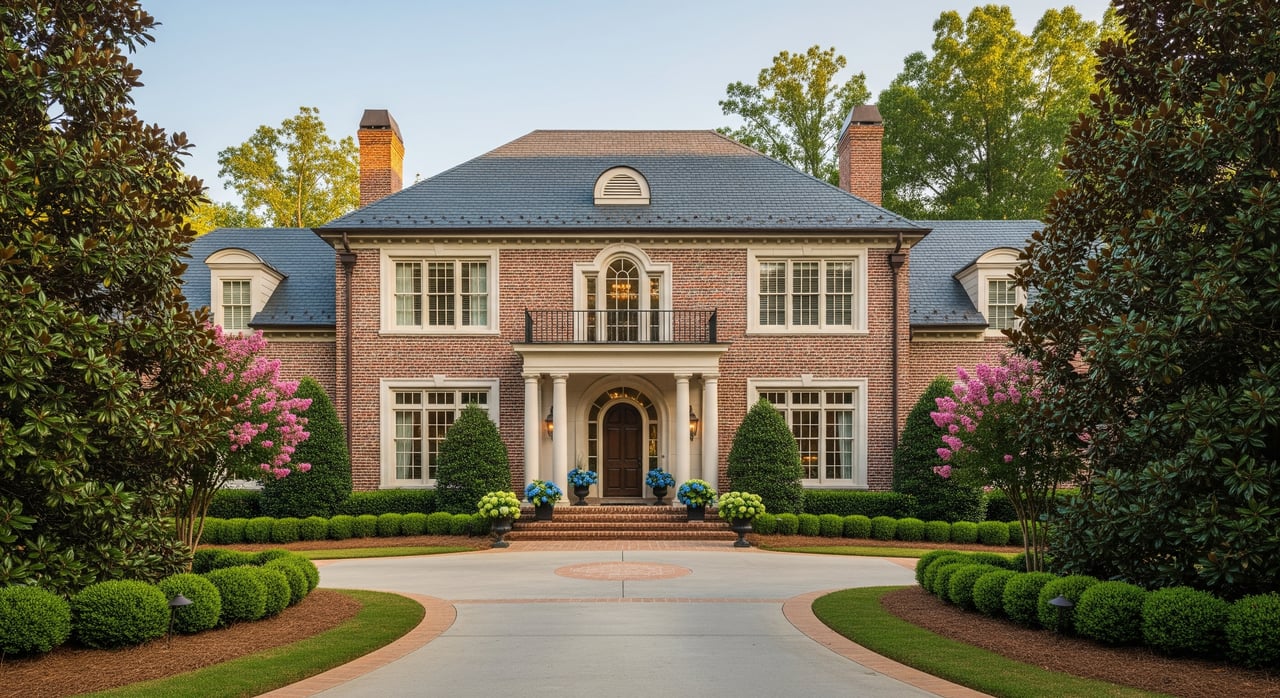
Colonial Revival is the stately face of Myers Park. Popular from the 1910s through the 1930s, these homes favor symmetry and formal entries. Typical cues include a centered front door with a pediment or portico, multi-pane windows, and red brick or painted clapboard. The style’s scale and order gave early residents the formality they wanted.
- What to look for:
- Symmetrical front facade and balanced window placement
- Centered entry with columns, sidelights, or a fanlight
- Brick exteriors and classical trim details
A local touchstone is The Duke Mansion, expanded in the early 20th century under James B. Duke and still a vivid example of the style’s elegance. Tour The Duke Mansion story and photos. For a concise style overview grounded in the district’s history, the LivingPlaces summary of Myers Park is also helpful. Read the Myers Park style summary.
Tudor Revival
If Colonial Revival is formal and symmetrical, Tudor Revival brings an English country vibe. This picturesque look surged in the 1920s and 1930s, and Myers Park has an unusually strong collection for North Carolina. Steep, multiple gables, tall chimneys, and decorative half-timbering with stucco or brick infill create a storybook profile.
- What to look for:
- Steep, multi-gabled roofs and prominent chimneys
- Arched entries and grouped, narrow-paned windows
- Half-timbering with stucco or patterned brick infill
The neighborhood driving tour from Historic Charlotte points out several noteworthy Tudor homes from the 1920s that anchor whole blocks. See Tudor-era homes on the tour.
Bungalow or American Craftsman
Bungalows represent the neighborhood’s relaxed, human-scale side. Built mainly in the 1910s through the 1930s on modest lots, these homes emphasize hand-crafted details and livable porches. Wide eaves with exposed rafters, tapered porch posts on brick or stone piers, and grouped windows define the look.
- What to look for:
- Low-pitched gable roofs with broad overhangs
- Exposed rafters, knee braces, and simple woodwork
- Wide front porches with sturdy columns or piers
You will see larger bungalows on corner lots and smaller ones tucked on side streets. Many have been updated inside with open kitchens while keeping their original porch charm.
Other period revivals
Not every classic home fits neatly into one bucket. Myers Park also includes Italian Renaissance or Mediterranean-inspired houses, plus French and English country variants on larger estate lots. For a one-of-a-kind example that illustrates how regional preservation and luxury infill sometimes intersect, see Preservation North Carolina’s coverage of high-end new homes being built alongside a preserved historic estate in the nearby SouthPark area. Read the Preservation NC project summary. Within Myers Park itself, the historic McManaway House offers a window into the area’s architectural variety. See Axios coverage of the McManaway House.
Classic meets contemporary: today’s infill
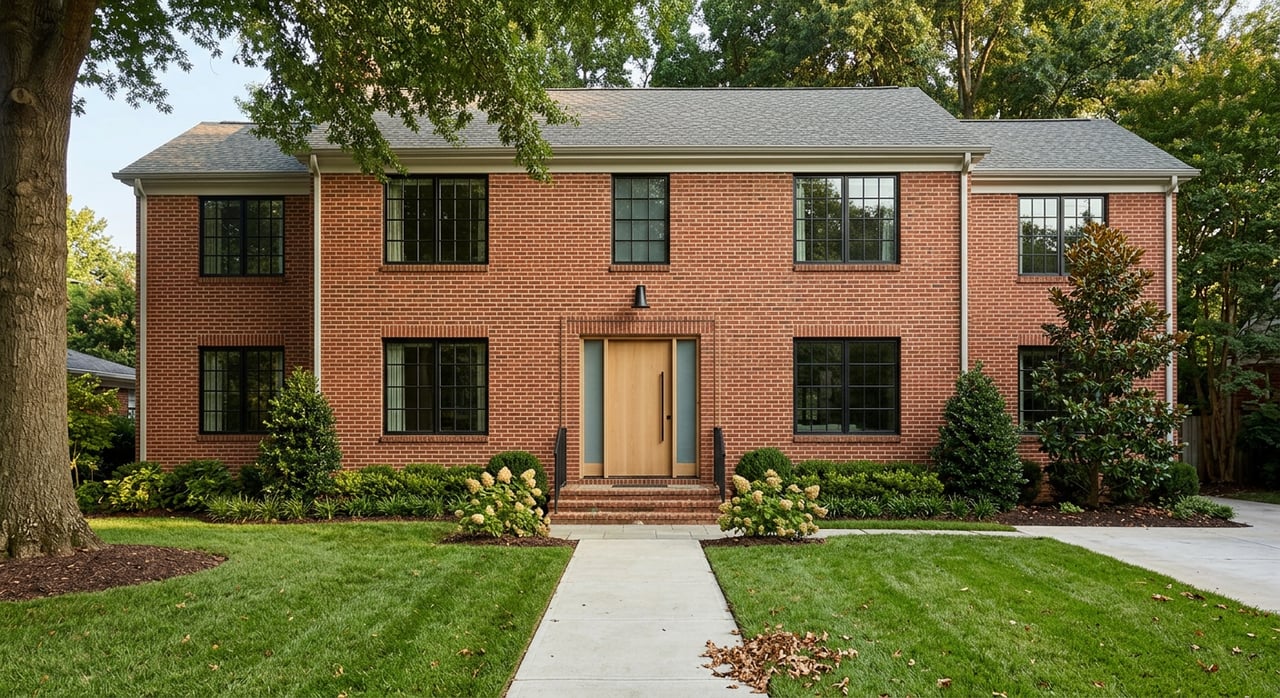
Walk a single block in Myers Park and you might see a restored bungalow, a 1920s Tudor with a detailed chimney, and a new luxury build with crisp brickwork and large black-framed windows. New construction here typically falls into three visual categories:
- Transitional brick new builds that echo traditional massing and materials
- Luxury modern or contemporary-traditional homes with larger openings and high-end finishes
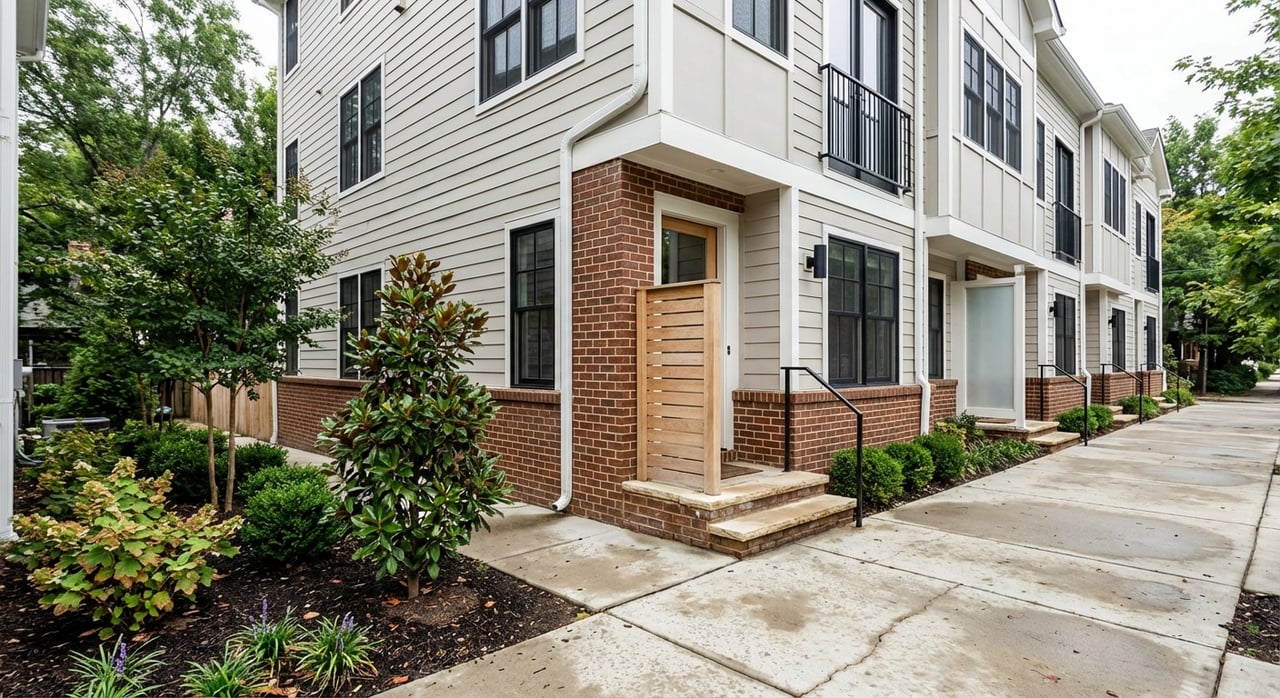
- Boutique townhome projects on infill lots that reference European courts or white-brick facades
A helpful example on the townhome side is The Nolen, a 27-unit luxury community that launched with units starting around 929,000 dollars, as covered by Axios. Projects like this offer a way to enter the neighborhood fabric with lower maintenance and high-finish interiors. Peek inside The Nolen townhomes.
What homes cost in Myers Park
Prices shift with market conditions and vary by lot, location, age, and level of finish. As of January 2026, Redfin reports a median sale price around 1.985 million dollars for Myers Park with a median of 52 days on market. Realtor.com’s neighborhood snapshot through December 2025 shows a median listing price near 2.22 million dollars. The difference comes from data source and methodology. Sales medians track closed deals while listing medians reflect asking prices at a point in time.
Price ladder: typical bands and examples
Use these broad bands as a starting framework. Always check current listings and recent sales before you set expectations.
- Townhomes and new paired units: roughly 900,000 to 1.4 million dollars. Example launch pricing for The Nolen started near 929,000 dollars based on Axios coverage from November 2021. See Axios reporting on The Nolen.
- Renovated period homes and mid-market detached: about 1.5 million to 3 million dollars. Updated Colonials, Tudors, and larger bungalows often trade in this band depending on lot size, interior renovations, and street presence.
- Luxury new construction and estates: 3 million to 10 million dollars and higher. Larger custom builds on signature streets like Queens Road West and Providence often land in the high multi-million range, especially on prime lots.
Tip: When you quote prices, note the date and the source. Neighborhood boundaries, data filters, and timelines vary by vendor, which can move a median enough to matter.
How to choose your style fit
Every style has strengths. Focus on how you want to live and what you want to maintain.
- If you love symmetry and formal curb appeal, a Colonial Revival may fit your eye. You get classical details and gracious proportions, often with center-hall floor plans.
- If character and texture matter, Tudor Revival brings steep roofs, patterned brickwork, and storybook details that photograph beautifully.
- If porch time is a priority, a Craftsman bungalow gives you a wide front porch, human-scale rooms, and warm wood details. Many offer smart expansion potential at the rear.
- If turnkey efficiency and modern light are must-haves, a newer transitional or contemporary build provides large openings, new systems, and open layouts that live easily.
Buying smart in an older neighborhood
Historic fabric rewards a careful eye. Here is a simple checklist to keep you focused during tours.
- Systems and structure: Ask about roof age, foundation work, plumbing updates, electrical capacity, and HVAC. Period homes often have selective upgrades. You want a clear picture of what is original and what is new.
- Windows and masonry: Multi-pane windows and detailed brickwork define many Myers Park homes. Confirm window condition, pointing on brick, and any past alterations that could affect efficiency or maintenance.
- Additions and infill nearby: Look at how newer work respects setbacks, height, and materials on the block. This helps you forecast where the street character is heading and how your investment sits in that context.
- Floor plan flexibility: Many older homes can open up at the rear without erasing original rooms. Identify logical expansion zones that keep front rooms and entries intact.
- Preservation context: National Register listing is not the same as local oversight. If you are considering exterior changes on a locally designated property, you may need a Certificate of Appropriateness. Start with Mecklenburg County’s guidelines and speak to your agent and design team early. Find the COA process here. For a plain-English overview of what National Register listing does at a high level, review this summary of federal designation. Learn how National Register listing works.
Streetscapes to notice
Myers Park’s design shows up in the details you feel as you drive or walk.
- Canopy and boulevards: Curving streets and planted medians create long views and a calm rhythm. The tree canopy is a core part of the neighborhood’s identity.
- Setbacks and scale: Even where new homes appear, you will notice consistent setbacks that keep a comfortable street edge. Larger homes often step back from the street, while bungalows nestle closer with deep porches.
- Materials and entries: Brick, wood, stone, and classic trim carry from one block to the next. Front entries often serve as focal points with porticos, arches, or detailed surrounds.
If you want a primer before you tour, the Historic Charlotte driving guide is a great companion for understanding how these pieces fit together. Use the Myers Park driving guide.
How we help you move with confidence
Choosing in Myers Park is about more than square footage. It is about architecture, condition, and long-term value on a specific street. As a boutique Charlotte brokerage, Lochmoor Realty offers high-touch buyer and seller representation backed by local expertise and polished marketing. You get direct access to an experienced broker, data-informed guidance on price and condition, and professional listing support when it is time to sell.
If you are weighing a townhouse at the edge of the neighborhood versus a classic bungalow on a leafy street, we help you compare the tradeoffs with recent comps, renovation scope, and neighborhood context. When you are ready to talk strategy, reach out to Lochmoor Realty for a free consultation.
Market snapshot current as of January 2026. Example projects and articles checked through March 2026. Sources include Historic Charlotte, NC Historic Preservation Office, Mecklenburg County Historic Landmarks, Preservation NC, and Axios Charlotte. Where price medians are mentioned, the source and date are noted in text.
FAQs
What home styles are most common in Myers Park?
- Colonial Revival, Tudor Revival, and Craftsman or bungalow homes are the most common, with a growing mix of transitional and contemporary infill.
Are historic homes in Myers Park protected from tear-downs?
- National Register listing is honorary while local landmark or local district designation can require design review, so check Mecklenburg County’s COA process before planning exterior changes.
How much should I budget for a Myers Park home in 2026?
- Expect a wide range from about 900,000 dollars for townhomes into multi-million dollars for luxury estates, with recent medians near 1.985 million dollars for sales and about 2.22 million dollars for listings based on late 2025 to early 2026 snapshots.
How do I tell a Colonial from a Tudor on a drive-by?
- Colonials read symmetrical with a centered, classical entry while Tudors show steep gables, prominent chimneys, and decorative half-timbering.
Where can I learn more about Myers Park’s history before touring?
- Start with the Historic Charlotte driving tour for context, then browse the NC Historic Preservation Office listing for the district’s architectural overview.