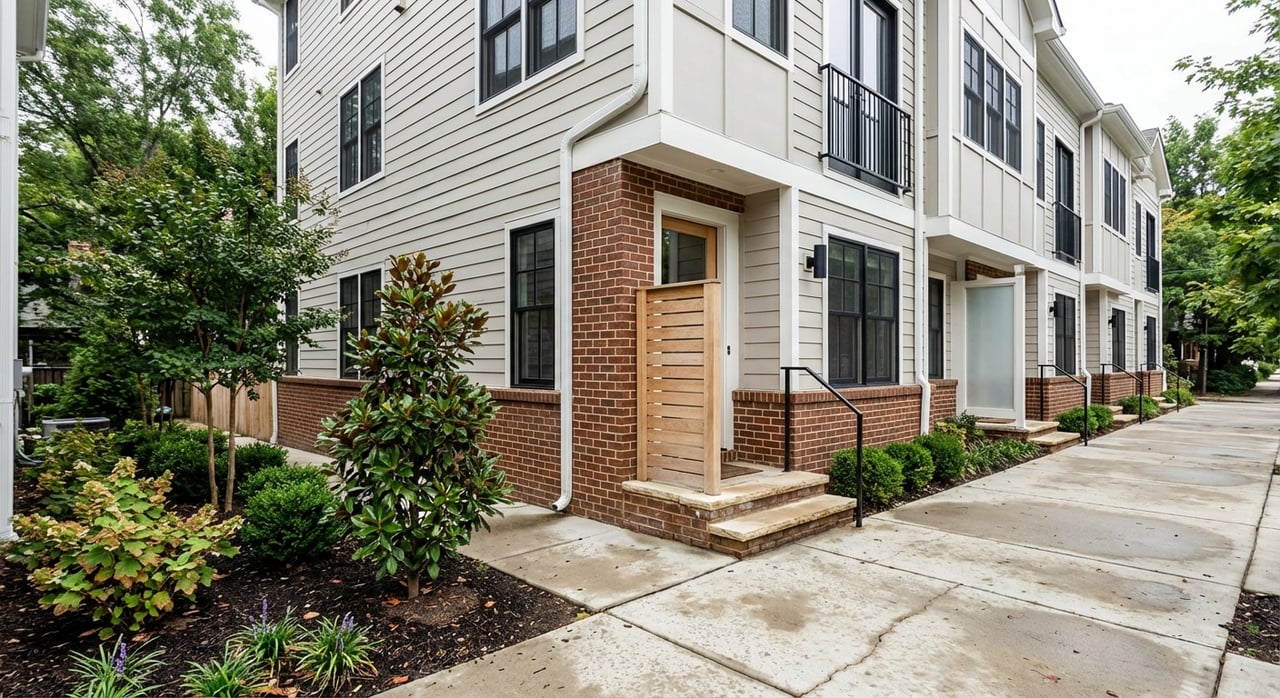
Thinking about buying a condo or townhome in South End? You’re not alone. This walkable pocket just southwest of Uptown blends transit access, lively dining, and modern housing in a compact footprint, which makes it a favorite for first-time buyers and move-up urban dwellers alike. In this guide, you’ll learn what your money typically buys, how HOA fees work, what to expect from financing, and how South End stacks up against nearby Charlotte hubs. Let’s dive in.
Why South End stands out
South End centers on the LYNX Blue Line and the Charlotte Rail Trail, so you can step out for coffee, dinner, or a light-rail ride without getting in your car. Historic mill buildings and newer mid-rise communities mix with dense townhome infill, so you have real variety in floorplans and price points. You get a city-adjacent lifestyle with breweries, food halls, and retail in a compact, transit-oriented setting.
If you’re new to the area, this quick neighborhood primer on the South End district is a helpful starting point.
What your money buys
Condos: sizes and floorplans
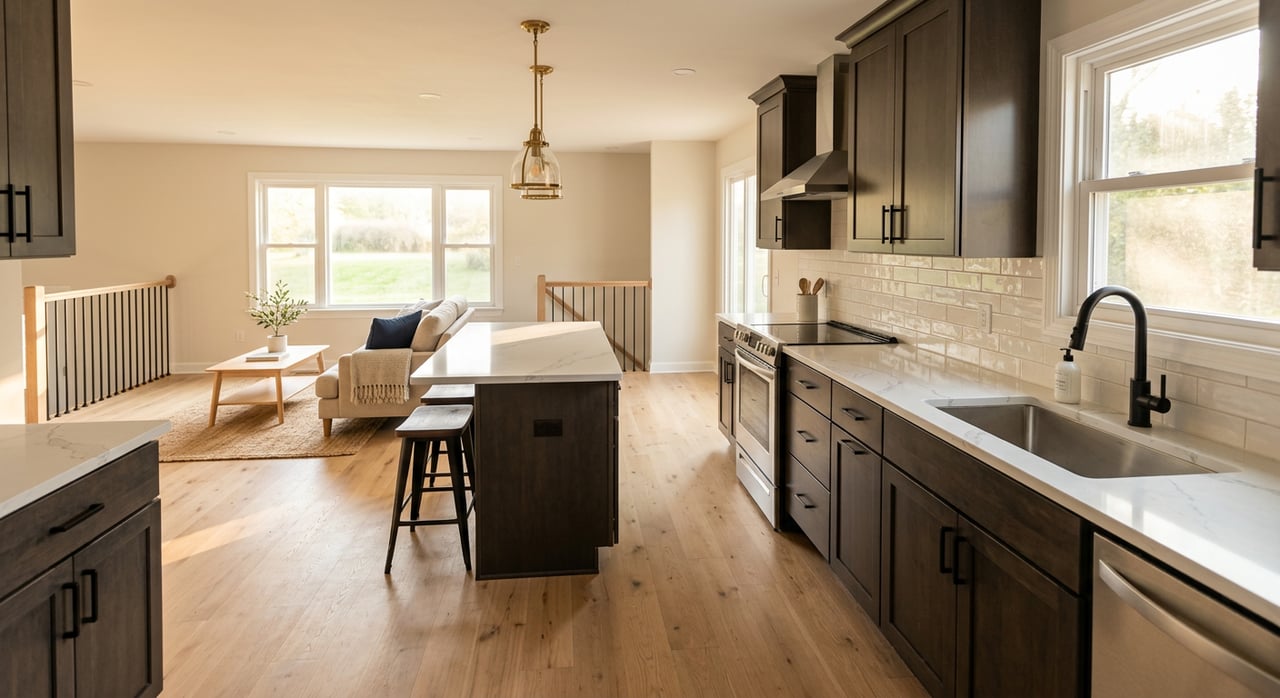
South End condo options range from efficient lofts to larger two-bedroom layouts.
- Studios and small 1-bedroom lofts: roughly 500 to 750 square feet, often in older loft conversions and low-rise buildings.
- 1-bed and 1.5-bath lofts: about 700 to 950 square feet, with many listings around 800 to 1,000 square feet.
- 2-bedroom condos: commonly 900 to 1,400 square feet, with a mix of open living areas and split-bedroom plans.
Expect controlled access, elevators in mid-rise buildings, and assigned or deeded parking on many properties. Newer mid-rises often add rooftop terraces, fitness rooms, and shared outdoor spaces.
Townhomes: space and livability
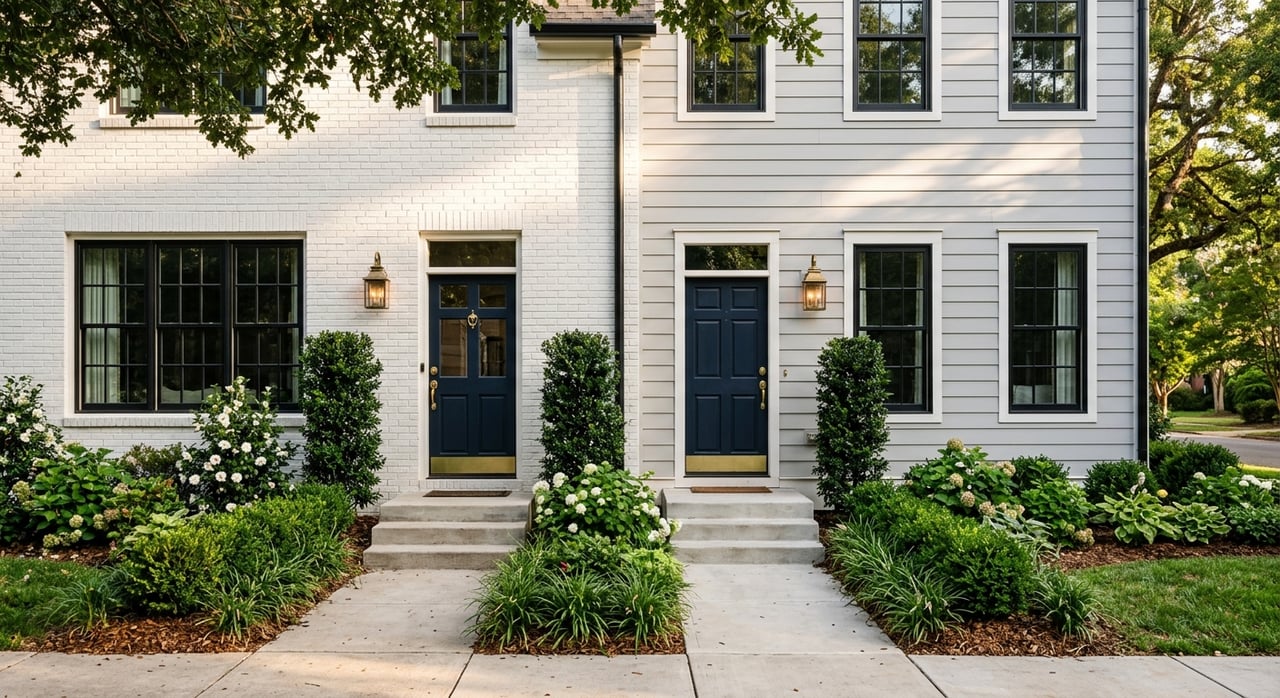
Three to four story townhomes are common across South End and often feel more like single-family living, just with less maintenance.
- Typical sizes: about 1,400 to 2,200+ square feet with 2 to 3 bedrooms and 2.5 to 4 baths.
- Outdoor space: rooftop terraces are frequent in newer infill communities, offering private outdoor area without a yard to maintain.
- Parking: most townhomes include a 1 to 2 car attached or tandem garage. Guest parking varies by community.
Amenities and parking basics
Amenity packages influence both lifestyle and HOA fees. Common items include rooftop decks, fitness centers, pools in larger projects, secured parking, and on-site retail at street level. More amenities often mean higher monthly dues, so weigh what you’ll truly use.
Price and rent context
Public sources show a mixed price picture depending on methodology and date. Examples from 2025 to early 2026: one widely used neighborhood snapshot reported a median list price around $567,900 in June 2025, while another platform showed a median near $750,000 in October 2025. Condo listings during early 2026 often ranged from about $310,000 to $575,000, with select luxury townhomes and penthouses priced higher. The takeaway is simple: modest condo options coexist with higher-priced townhomes and premium units. Always verify current numbers with up-to-date local MLS data before you write an offer.
For buy-versus-rent comparisons, average asking rents in early February 2026 were roughly $1,900 to $2,400 depending on size, according to local rent trend data. If you are weighing a purchase, use realistic monthly numbers that include mortgage, HOA dues, insurance, and taxes.
HOA costs and what dues cover
What typical dues include
Condo and townhome dues vary by property and amenity level, but they usually fund building and common-area maintenance, master insurance on common elements, utilities for shared spaces, landscaping, management fees, and reserves for future repairs. Townhome associations often have lower dues because more exterior responsibility stays with the owner. For a good overview of what associations commonly cover, review this property management FAQ.
Typical monthly ranges
- Condos: commonly about $150 to $600+ per month, depending on the building and amenities. High-amenity properties that include concierge, valet, or heated pools can land higher.
- Townhomes: frequently $150 to $350 per month, with many newer South End townhomes quoted in the $200 to $300 range.
Budget with a cushion. Amenities, capital projects, or insurance changes can push dues higher, and special assessments can occur.
Your HOA due diligence checklist
Request the resale or estoppel package early and review it within a clear contingency period. Focus on:
- Budget and reserves: current operating budget, recent financials, and any reserve study. Underfunded reserves are a red flag. Guidance on healthy reserve planning is outlined in this reserve study resource.
- Meeting minutes: read 6 to 12 months of minutes for recurring issues or major projects on the horizon.
- Insurance: confirm the master policy and deductible, and whether coverage is walls-out or more inclusive. A helpful overview is available in the FS Residential FAQ.
- Rules and restrictions: rental or short-term rental policies, pet rules, parking and EV-charger policies, and move-in procedures.
- Estoppel/resale certificate: check for outstanding dues, pending assessments, and transfer fees.
Red flags include low reserves relative to recommended funding, high owner delinquency, significant or recent special assessments, and pending construction or structural litigation. If you uncover these, consider negotiating price or credits, or explore an escrow holdback.
Financing basics: condos vs. townhomes
Condo project approvals and why they matter
Some loans require project-level review for condos. FHA has a condominium project approval process, and conventional lenders may review eligibility based on factors like reserves, owner-occupancy, and litigation. You can read about FHA program information on the HUD single-family guidance page, and lenders often reference project eligibility resources like Freddie Mac’s condominium mortgage FAQ.
What this means for you: ask your lender early whether the specific building is eligible for your loan program and what documentation is needed from the HOA.
Why townhomes can be simpler to finance
Fee-simple townhomes are often underwritten like single-family homes. That typically makes FHA, VA, and conventional approvals more straightforward than for condos in large projects. Always confirm the property type with your agent and lender.
What lenders often review on condos
Lenders commonly look at owner-occupancy rates, HOA delinquency percentages, reserve balances, the amount of commercial space, investor concentration, and any pending litigation. Get your lender’s condo-project checklist early in your search so you can move quickly when the right place hits the market.
How South End compares nearby
- Uptown (Fourth Ward and Center City): taller high-rise buildings with larger amenity sets like concierge, rooftop pools, and club spaces. Expect higher HOA dues and price per square foot in exchange for skyline views and full-service living.
- SouthPark: a suburban-luxury feel with larger condo footprints, garden-style buildings, and gated options. The tradeoff is a different, retail-and-office corridor lifestyle rather than the Rail Trail scene.
- Dilworth and Wilmore: adjacent neighborhoods with boutique condos, conversion lofts, and infill townhomes. The streets feel more residential, with fewer new high-rises than South End.
- NoDa: a distinct arts district with conversion lofts and smaller historic buildings that create a different vibe and pricing profile.
Your choice comes down to lifestyle, building style, and HOA tolerance. South End tends to balance walkability, light rail access, and newer infill construction in a compact footprint.
Price tiers and real examples to expect
- Entry tier (about $300,000 to $450,000): smaller 1-bedroom lofts, studios, and some older 2-bedroom condos. Expect efficient floorplans and lighter amenity sets.
- Mid tier (about $450,000 to $700,000): many 2-bedroom condos and a large share of newer townhomes. You’ll often see rooftop terraces and attached garages in this band.
- Premium tier (about $700,000+): larger townhomes with higher-end finishes, selective condo penthouses, and rare floorplans in top locations.
Prices shift with seasonality, mortgage rates, and building-level variables. Always confirm current comps and HOA details before you write.
Buyer playbook for South End
- Get pre-approved with a lender that knows condo and townhome nuances in Charlotte.
- Ask your lender early if your target condo building is eligible for your loan program and what the project-review steps look like.
- Include a clear HOA and resale-document review contingency in your offer.
- Budget for dues plus a contingency for potential special assessments.
- Confirm parking type, the number of spaces, guest parking rules, and EV-charger policies.
- Evaluate sound and privacy. Rail Trail and light-rail proximity add convenience but can increase ambient noise.
- Weigh resale factors such as floorplan efficiency, outdoor space, parking, and walkability.
- Schedule a thorough inspection. In condos, pay attention to windows, HVAC age, and water supply lines inside the unit, and review building maintenance history through HOA documents.
- Clarify rental policies if you plan to rent the unit now or later.
Next steps
If South End’s blend of convenience, energy, and variety fits your lifestyle, the right strategy can help you secure a great unit with confidence. You bring your goals and timeline. We’ll bring local comps, HOA document review support, and a clean, step-by-step process from search to close. When you are ready, connect with Lochmoor Realty to schedule a free consultation and start your South End search on the right foot.
FAQs
What are typical HOA fees for South End condos?
- Many condos range from about $150 to $600+ per month, depending on building size and amenities, while townhomes often fall between $150 and $350 per month.
Can I use FHA or VA to buy a South End condo?
- Sometimes, but condo projects may require approval. Ask your lender to check building eligibility and see FHA guidance on the HUD site.
Are short-term rentals allowed in South End condos?
- Rules vary by building. Review the HOA’s governing documents and resale package to confirm any short-term rental limits before you commit.
How does parking work for condos and townhomes in South End?
- Condos may offer deeded or assigned garage spaces or surface lots. Most townhomes include a 1 to 2 car attached or tandem garage; guest parking varies by community.
Is buying in South End better than renting right now?
- It depends on price, HOA dues, interest rates, and your timeline. Compare your monthly ownership cost with local asking rents using current data like rent trend reports.
What should I look for in HOA documents before I buy?
- Focus on budgets and reserves, recent meeting minutes, insurance coverage, rental and parking rules, and any pending assessments or litigation. Underfunded reserves or frequent special assessments are red flags.